
The Definitive Western North Carolina Relocation Guide
Relocating to the Blue Ridge Mountains is more than a change of address; it is an elevation of lifestyle. This guide provides a comprehensive overview of what to expect when transitioning to Western North Carolina, from the nuances of mountain topography to the refined culture of our most sought-after enclaves.
Life at Altitude: The WNC Lifestyle
The pace of life in Western North Carolina is intentional. Whether you are in the heart of Asheville or the quiet ridges of Highlands, there is a profound respect for the natural environment. Expect four distinct, vibrant seasons: crisp, colorful autumns; quiet, snowy winters at higher elevations; brilliant spring blooms; and summers that remain pleasantly cool compared to the humid lowlands. The lifestyle here prioritizes wellness, outdoor exploration, and a deep appreciation for local artistry and farm-to-table cuisine.
The Architectural Tapestry
The WNC real estate landscape is diverse, offering something for every aesthetic. Historic Montford bungalows and Victorian Hendersonville estates provide a sense of heritage. For those seeking modern amenities, new builds and luxury gated communities like The Cliffs or Ramble Biltmore Forest offer world-class infrastructure. Secluded mountain cabins and contemporary glass-walled retreats celebrate the terrain, while upscale condos in downtown Asheville offer a maintenance-free urban mountain experience.
Where Should You Settle?
For Families: Weaverville and Black Mountain are perennial favorites for their community-centric feel, excellent schools, and walkable downtowns. For Second-Home & Vacation Buyers: The Cashiers and Highlands plateau offers the ultimate summer retreat with high-altitude cooling and exclusive social clubs. For Retirees: Hendersonville and Brevard offer relatively level terrain, robust healthcare infrastructure, and a slower, stable pace with active social landscapes.
A Note on Community Safety
Safety is a multifaceted concept in the mountains. While many seek the security of gated community infrastructure, others find safety in the close-knit vigilance of small-town neighborhoods. When evaluating an area, consider factors like proximity to emergency services, road maintenance during winter months, and the general vibe of community engagement. We recommend exploring neighborhoods at different times of day to find the environment where you feel most at ease.

Vibrant and eclectic, Asheville is the soul of the Blue Ridge. Best for culture seekers and urban professionals, it offers a lifestyle of world-class dining and arts. Buyers can expect everything from historic Montford bungalows to high-end mountain-modern architecture in the surrounding ridges.

Best for retirees and second-home buyers seeking stability, Hendersonville boasts a welcoming historic downtown and lush apple orchards. Homes include everything from grand Victorian houses to luxury master-planned golf and wellness communities.

Brevard is adventurous and outdoor-centric, perfect for active retirees and families. As the gateway to Pisgah National Forest, the area features private wooded retreats and luxury riverside estates prioritising seclusion and access to the region's 250 waterfalls.

A premier luxury destination, Highlands is sophisticated and exclusive. Best for high-end second-home buyers, it offers world-class golf and refined dining. Expect grand estates and custom-built mountain architecture that fits seamlessly into the high-altitude landscape.

Offering a quieter pace just minutes from Asheville, Weaverville is ideal for families and those seeking a tight-knit community feel. The market is defined by charming craftsman-style homes and newer residential enclaves with easy access to a quaint Main Street.

Known for its cozy vibe and scenic majesty, Black Mountain is a haven for artists and nature enthusiasts. Residents enjoy walkable access to local boutiques and mountain cafes, with housing styles ranging from rustic-luxe cottages to classic mountain bungalows.

Waynesville serves as a stunning entrance to the Great Smoky Mountains, perfect for those desiring a genuine highland lifestyle. The area values its heritage through its historic core and offers properties ranging from classic farmsteads to luxury ridgeline estates. Other nearby mountain communities I serve include Mars Hill, Marshall, Hot Springs, Burnsville, and Mountain Air.
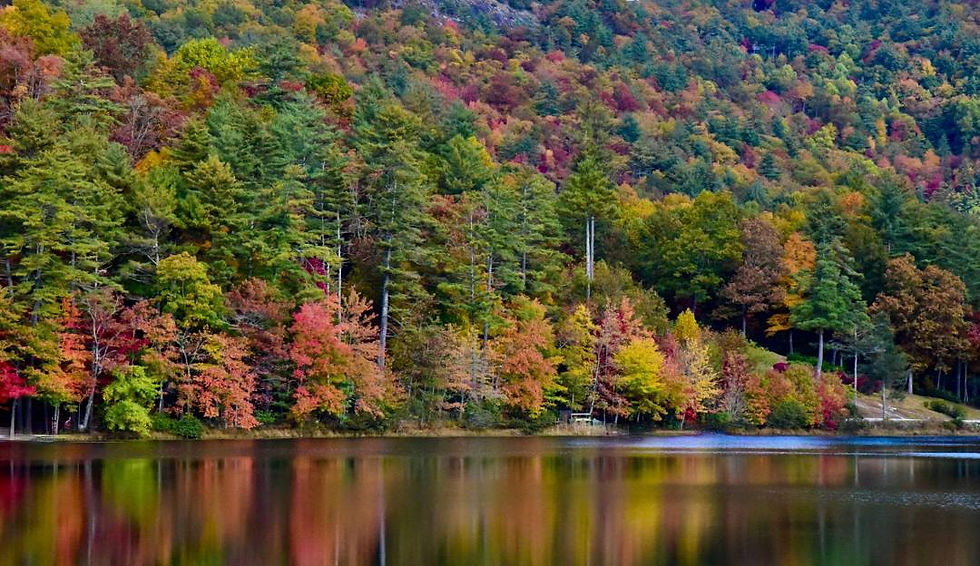
Cashiers is defined by nature-integrated luxury and quiet seclusion. Ideal for privacy seekers and outdoor connoisseurs, the area offers high-end rustic architecture within gated lakeside and mountain club communities centered around stunning natural granite faces.

Home to the historic Mars Hill University, this community offers a blend of youthful energy and deep mountain roots. Relocation buyers appreciate the accessible terrain and the growing interest in modern farmhouse estates with expansive long-range views.

Famed for its therapeutic mineral waters and location on the Appalachian Trail, Hot Springs is the ultimate destination for wellness-focused living. The real estate market offers rustic-chic timber frames and luxury cabins designed for total immersion in nature.

A unique mountaintop community with its own private airstrip, Mountain Air offers a fly-in lifestyle like no other. This exclusive enclave features luxury condominiums and high-altitude estates with some of the most dramatic 360-degree vistas in WNC.

Marshall is a creative enclave perched along the banks of the French Broad River, known for its historic downtown and vibrant artist studios. Buyers seeking character will find meticulously restored industrial lofts and secluded riverfront retreats.

Located in the shadow of Mount Mitchell, Burnsville offers some of the highest elevation living in the East. It is perfect for relocation buyers seeking a slower pace, artisanal crafts, and custom mountain homes that prioritize breathtaking astronomical views.
Where to Start: Your Move Timeline
Step 1: Discover Your Ideal Environment – Decide between a vibrant valley setting or a peaceful ridge-top hideaway, keeping in mind how elevation influences seasonal travel and daily commutes. Step 2: Plan Your Mountain Budget – Looking past the listing price is key; you must account for specialized property upkeep, unique utility costs, and neighborhood association fees. Step 3: Evaluate Local Resources – Prioritize your search by investigating local education options, transportation paths, and the reliability of digital connectivity. Step 4: Collaborate with a Regional Authority – Navigating mountain real estate requires a professional who understands complex elements like specialized water systems and topographical land stability. • Additional mountain communities I serve include Mars Hill, Marshall, Hot Springs, Burnsville, and Mountain Air.